Acupuncture mat, acupressure mat or spike mat – what is it called?
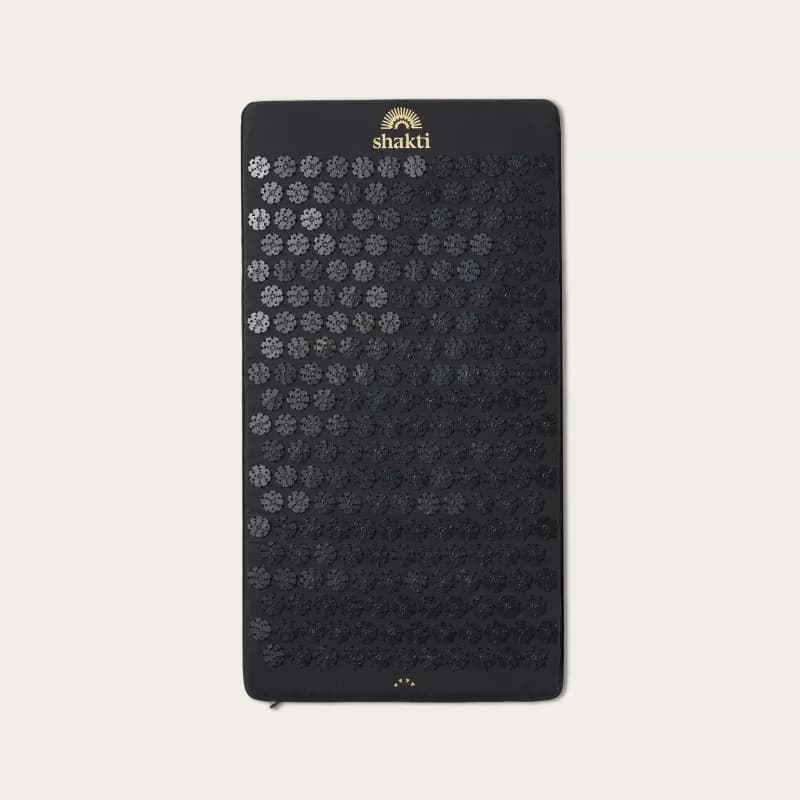
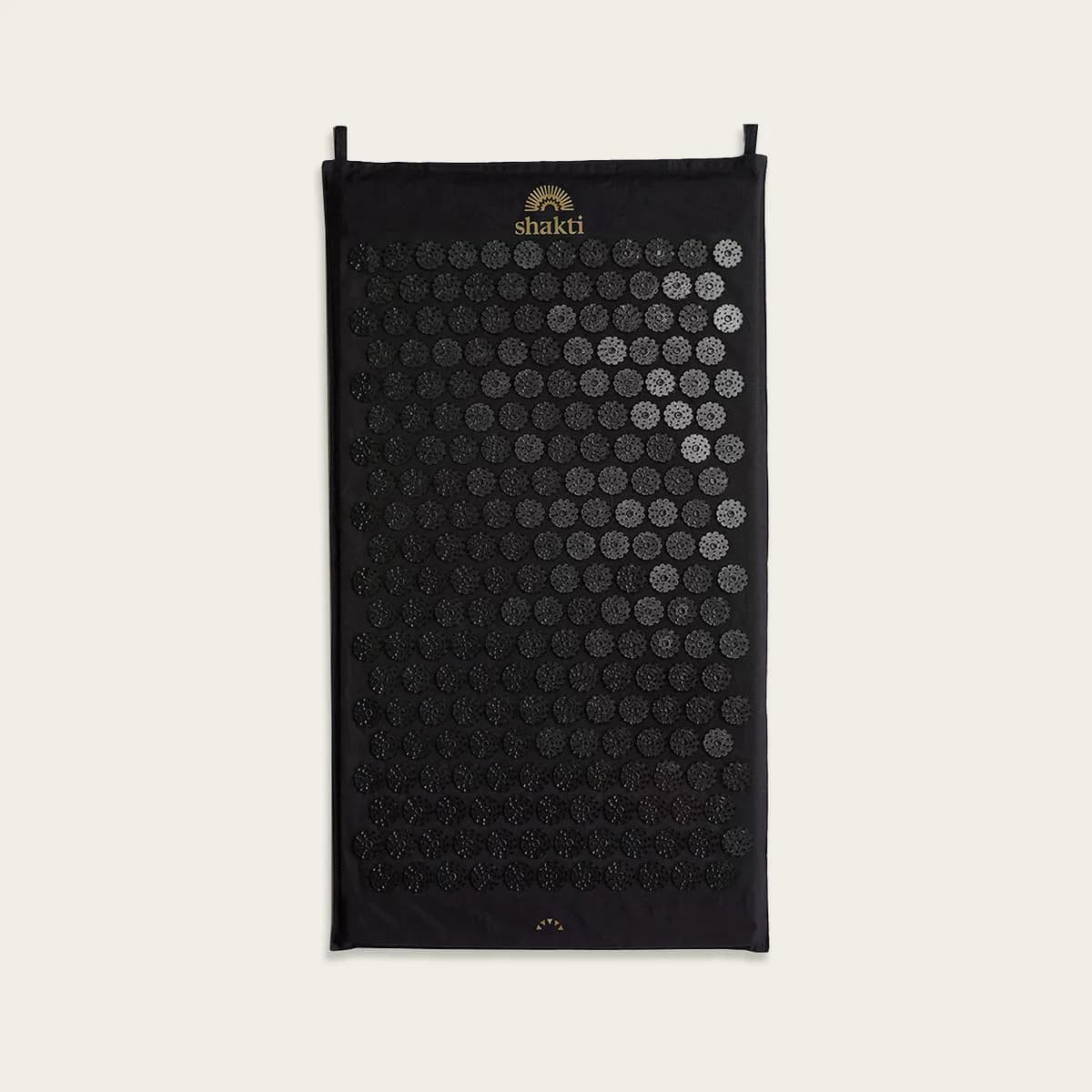
An acupuncture mat, an acupressure mat, a spike mat and a bed of nails mat are all names for the same product, and acupressure mat is the one that describes it correctly. Every name refers to the same thing: a piece of fabric with thousands of sharp ABS plastic spikes that you lie, sit or stand on. One of the names is still misleading – the mat has no needles and is not acupuncture. Here we go through what the mat is called in English, Swedish, Danish, Norwegian and Finnish, where the names come from, and what actually separates acupressure from acupuncture.
What is the right English name for it?
In English, the right name is acupressure mat. It is also the name we use on this site, where the Shaktimattan is called the Shakti acupressure mat and the pillow an acupressure pillow.
Several other names are common in everyday language. Spike mat is a literal equivalent of the Swedish spikmatta. Bed of nails mat refers to the bed of nails, and acupuncture mat is a common search term even though it describes something other than what the mat does – more on that further down.
Of all the names, acupressure mat is the one that says the most about how the mat works: with pressure, not with needles.
Are an acupressure mat, an acupuncture mat and a bed of nails mat the same thing?
Yes. Spike mat, acupressure mat, acupuncture mat and bed of nails mat are four names for the same product: a mat covered in thousands of small spikes that spread your body weight over thousands of points against the skin instead of a few.
Spike mat describes what the mat looks like. Acupressure mat describes how it works – the pressure against the skin is the whole point. Those are the two names we use ourselves. Bed of nails mat points to the image of the fakir lying on a bed of nails. Shaktimattan has a link to India too: our Premium mats are handmade there, together with Kishor Exports in Ranchi and Agra.
Acupuncture mat is the name that fits least. It is easy to see why it is used – both acupuncture and acupressure are about points on the body – but the mat does something other than acupuncture. That difference is what the next section is about.
So the name says nothing about quality. Two mats can have exactly the same name and still be very different; what sets them apart is how sharp the spikes are, the materials, and whether you can choose the intensity.
What is the difference between acupressure and acupuncture?
Acupuncture is done with thin needles inserted through the skin. Acupressure relies instead on pressure against the skin, without anything going through it. An acupressure mat belongs to the second group: it has no needles.
The spikes on the Shaktimattan are made of ABS plastic – signature spikes in ABS1 on the Classic mat, transparent ABS1 crystal spikes on the Premium mat. When you lie down, they press against the skin and spread your weight over thousands of small points. The first few minutes often sting, and after about 5–10 minutes the feeling usually turns into a tingling warmth.
Acupressure is an old method with roots in Eastern tradition that has been practised for more than 2,000 years and is relatively new in the West. The Shaktimattan imitates the technique and makes it available at home. We call it a wellness tool, not a treatment, and we promise no clinical results.
That is why acupressure mat and spike mat are the names we use for the mat. Acupuncture mat sounds like something a therapist does with needles, and that is exactly what an acupressure mat is not.
What is it called in Swedish, Danish, Norwegian and Finnish?
In Swedish it is called spikmatta or akupressurmatta. Akupunkturmatta and fakirmatta are also used, with the same mix-up between acupressure and acupuncture as in English.
Danish has three common words that are used interchangeably: pigmåtte, fakirmåtte and sømmåtte. Akupressurmåtte is used too. Note the spelling: måtte, not matte. On our Danish site the mat is called pigmåtte.
In Norwegian it is called spikermatte, and akupressurmatte is used too. Spikermatte is the name our Norwegian site uses.
In Finnish it is called piikkimatto – by far the word most Finns search for. Akupainantamatto (acupressure mat), akupunktiomatto and fakiirimatto are also used, but less often. The word acupuncture turns up in every language – akupunkturmatta, akupunkturmåtte, akupunkturmatte, akupunktiomatto – and is equally misleading everywhere.
Why is it called the Shaktimattan?
Shakti is an ancient Sanskrit word for the divine feminine force – compassion, creativity and care. The name is tied to where the mat is made: the Premium mats are handmade in India together with Kishor Exports, founded in 1978 and Fairtrade-certified.
The Shaktimattan has been around since 2007, and since then we have supported women in India on their journey to independence and financial freedom. In 2024 we founded the Kishor Shakti Foundation together with Kishor Exports, which supports local community initiatives – from tree planting to libraries in nearby schools.
So Shaktimattan is the name of our acupressure mat, not a word of its own for the product. The range includes the Classic and Premium mats, the To-Go Mat, pillows and the Footpad.
Which name should you search for – and what should you look for?
Acupressure mat and spike mat bring up the same kind of products, so use whichever word you prefer. More important than the name are three things that set mats apart.
How sharp the spikes are. It shows straight away in how the pressure feels. Every Shaktimattan level has the same sharp spikes – what sets the levels apart is the number of spikes per disc.
The materials. The Shaktimattan's cover is made of GOTS-certified organic cotton and the spikes of recyclable ABS plastic.
The intensity. The number of spikes decides how it feels, and the logic is reversed: fewer spikes give a higher intensity, because your body weight is spread over fewer points. Level 1 has 8,280 spikes, Level 2 has 6,210, Level 3 has 4,140 and Level 4 has 2,070 – all spread over 230 discs. The Premium mat comes in all four levels, the Classic mat in Level 2 and Level 3.
Frequently asked questions
What is another name for an acupressure mat?
Spike mat, bed of nails mat and acupuncture mat are all used for the same product. Acupressure mat is the name that fits, because the mat works with pressure, not needles.
Is an acupuncture mat the same as an acupressure mat?
Yes, it is the same product. The name acupuncture mat is misleading, though: acupuncture is done with needles, while the mat presses plastic spikes against the skin – that is acupressure.
What is the difference between acupressure and acupuncture?
Acupuncture is done with thin needles inserted through the skin. Acupressure relies on pressure against the skin without anything going through it, and that is how an acupressure mat works.
What is a bed of nails mat?
Another name for an acupressure mat, after the image of the fakir on a bed of nails. It is the same product as a spike mat.
Does an acupressure mat have needles?
No. The Shaktimattan's spikes are made of ABS plastic and press against the skin – no needles are inserted, as in acupuncture. The first few minutes often feel prickly.
What is an acupressure mat called in Swedish, Danish, Norwegian and Finnish?
In Swedish spikmatta, in Danish pigmåtte (also fakirmåtte and sømmåtte), in Norwegian spikermatte and in Finnish piikkimatto.
Want to try one? See the four levels of the acupressure mat
Products mentioned in the guide
More guides
- Best acupressure mat: how to choose the level, size and modelNo acupressure mat suits everyone. How to choose the right level, size and model – and the difference between Shakti Premium and Classic, plainly.
- How long should you lie on an acupressure mat – and how often?We recommend 15–20 minutes on an acupressure mat, with 20 minutes as the benchmark – and there are no frequency limits. Here's how long and how often.
- Acupressure mat benefits: how it feels and who it suitsAn acupressure mat presses thousands of spikes against your skin. Here's what it does, what it's used for, who it suits – and who should avoid it.