How to clean an acupressure mat: washing and caring for mat and pillow
You clean an acupressure mat by hand: remove the foam, wash the cover in lukewarm water with a little mild detergent, brush the spikes clean and hang the cover to dry in the shade. Washing machines and tumble dryers are not for the mat or the acupressure pillow. Here we go through the care instructions for the Shakti mat step by step – washing, stains, drying and storage – and what differs between the mat, the pillow and the smaller products.
How do you clean an acupressure mat?
Cleaning an acupressure mat means washing the cover – the fabric the spikes sit on – by hand, after the foam filling has been taken out. That is how you do it with both the Shakti Classic mat and the Shakti Premium mat, and in the same way with the acupressure pillow.
You need lukewarm water, a little mild or eco-friendly detergent, a brush or an old toothbrush, and a place in the shade where the cover can hang.
Shakti's care instructions are five steps, and they are the same every time:
- Remove the foam filling from the mat or pillow.
- Hand-wash the cover in lukewarm water with a little mild detergent.
- Scrub dirty spikes with a brush or an old toothbrush.
- Rinse the cover and hang it to dry in the shade.
- Put the foam back – and the mat is ready to use again.
Can you put an acupressure mat in the washing machine?
No. Neither the Shakti mat nor the acupressure pillow should go in the washing machine – however tempting it may be, as the care instructions put it. The product texts for the Classic mat, the Premium mat and both pillows say the same thing: not suitable for washing machines or tumble dryers.
Avoid soaking the mat or pillow as well. The cover is washed by hand and rinsed; it should not be left lying in water.
It is always the cover that is washed. You take the foam filling out first, and it goes back in when the washing is done.
What is an acupressure mat made of – and what does that mean for washing?
A Shakti mat has three parts: a cotton cover, plastic spikes and a foam filling. Each of them is connected to a part of the care instructions.
The cover is organic cotton, dyed with toxin-free dyes. Both the cotton and the dyes are certified to the Global Organic Textile Standard (GOTS). The care instructions follow from that: the detergent should be mild or eco-friendly, and drying the cover in the shade helps preserve the colour.
The spikes are recyclable ABS plastic, a material Shakti describes as durable and impact-resistant. The Classic mat has 6,210 spikes, and the care instructions say explicitly that dirty spikes should be scrubbed with a brush.
The filling differs between the models. The Classic mat and the Classic pillow have recycled polyether foam, which contains no natural rubber (latex). The Premium mat and the Premium pillow have Blissfoam™, a natural latex foam that is sewn into organic cotton.
How do you take the foam out and put it back?
The foam comes out before the cover is washed – it is the first step in the care instructions and is also stated in the product texts for both mats. The Classic mat opens with a hook-and-loop fastening, while the Premium mat and the Premium pillow have a discreet zipper in a matching colour.
In the Classic mat, the Classic pillow and the Premium mat, the foam is a single piece. In the Premium pillow it is shredded, which makes the pillow mouldable. You take the latex foam out of the Premium pillow before washing, just as you do with the mat.
A foam in one piece goes back in most easily like this, according to the care tips for Classic mats and pillows and the Premium mat: turn the cover inside out, align the seams with the foam and fold the cover over.
How do you remove stains and dirt between the spikes?
Dirt that has stuck on and between the spikes is scrubbed away with a brush or an old toothbrush. That is step three in the care instructions, between the hand-wash and the rinse.
For stubborn stains there is a separate tip: apply stain remover directly to the area. For the rest of the cover, a mild or eco-friendly detergent is enough.
Then rinse the cover and hang it to dry, as in step four.
How do you dry and store an acupressure mat?
Hang the cover to dry in the shade and let it air dry. Do not let the mat or the pillow dry in direct sunlight, and do not use a tumble dryer. Shakti products are made from organically certified cotton and dyes, and drying them in the shade helps preserve the colour.
Between uses, roll the mat up from the short end, preferably with the spikes facing inwards – it then takes up minimal space. Store it in a dry, cool place and avoid folding it. Avoiding direct sunlight and humid environments extends the lifespan of both the fabric and the spikes.
If you use the mat often, you can hang it on a hook or hanger so that it is close at hand. A storage bag or a yoga strap with a buckle works too, and makes the mat easy to take with you.
The Shakti mat and the pillow are covered by a 5-year warranty covering workmanship and material defects. Normal use and wear are not covered.
Do the same care instructions apply to the pillow and Shakti's other products?
The acupressure pillow is washed like the mat: the cover by hand in lukewarm water with a little mild detergent, air drying out of direct sunlight, never a washing machine or tumble dryer. That applies to both the Classic pillow and the Premium pillow.
The To-Go mat is foam-free. You wipe the coated cotton base with warm soapy water, or hand-wash the cover and brush the spikes with a soft brush. Rinse and hang to dry in the shade.
On the Shakti Footpad you remove the foam filling and hand-wash the cover in lukewarm water with a little mild detergent. The water-repellent base is wiped with a damp cloth.
The Shakti Headband is cleaned with a damp cloth or a small brush and left to air dry thoroughly. The Meditation Cushion and its acupressure panel should only be spot-cleaned by hand with a mild cleaning agent and air-dried flat.
Frequently asked questions
Can you clean an acupressure mat in the washing machine?
No. The Shakti mat and the acupressure pillow should not go in the washing machine or the tumble dryer. Remove the foam and hand-wash the cover in lukewarm water with a little mild detergent.
How often should you clean an acupressure mat?
When needed. Wash the cover when the fabric or the spikes are dirty, and treat single stains with stain remover directly on the area.
Which detergent should you use on an acupressure mat?
A mild or eco-friendly detergent. For stubborn stains you can apply stain remover directly to the area.
Can you tumble-dry an acupressure mat or dry it in the sun?
No. The mat and the pillow are not suitable for tumble dryers and should not dry in direct sunlight. Hang the cover in the shade – it helps preserve the colour.
How do you clean the spikes on an acupressure mat?
Scrub dirty spikes with a brush or an old toothbrush while you hand-wash the cover, then rinse.
How do you wash an acupressure pillow?
In the same way as the mat: hand-wash the cover in lukewarm water with a little mild detergent and let it air dry out of direct sunlight. You remove the latex foam from the Premium pillow before washing.
How do you store an acupressure mat when it is not in use?
Roll it up from the short end, preferably with the spikes facing inwards, and store it in a dry, cool place. Avoid folding it, and avoid direct sunlight and humid environments.
Want to try one? See the four levels of the acupressure mat
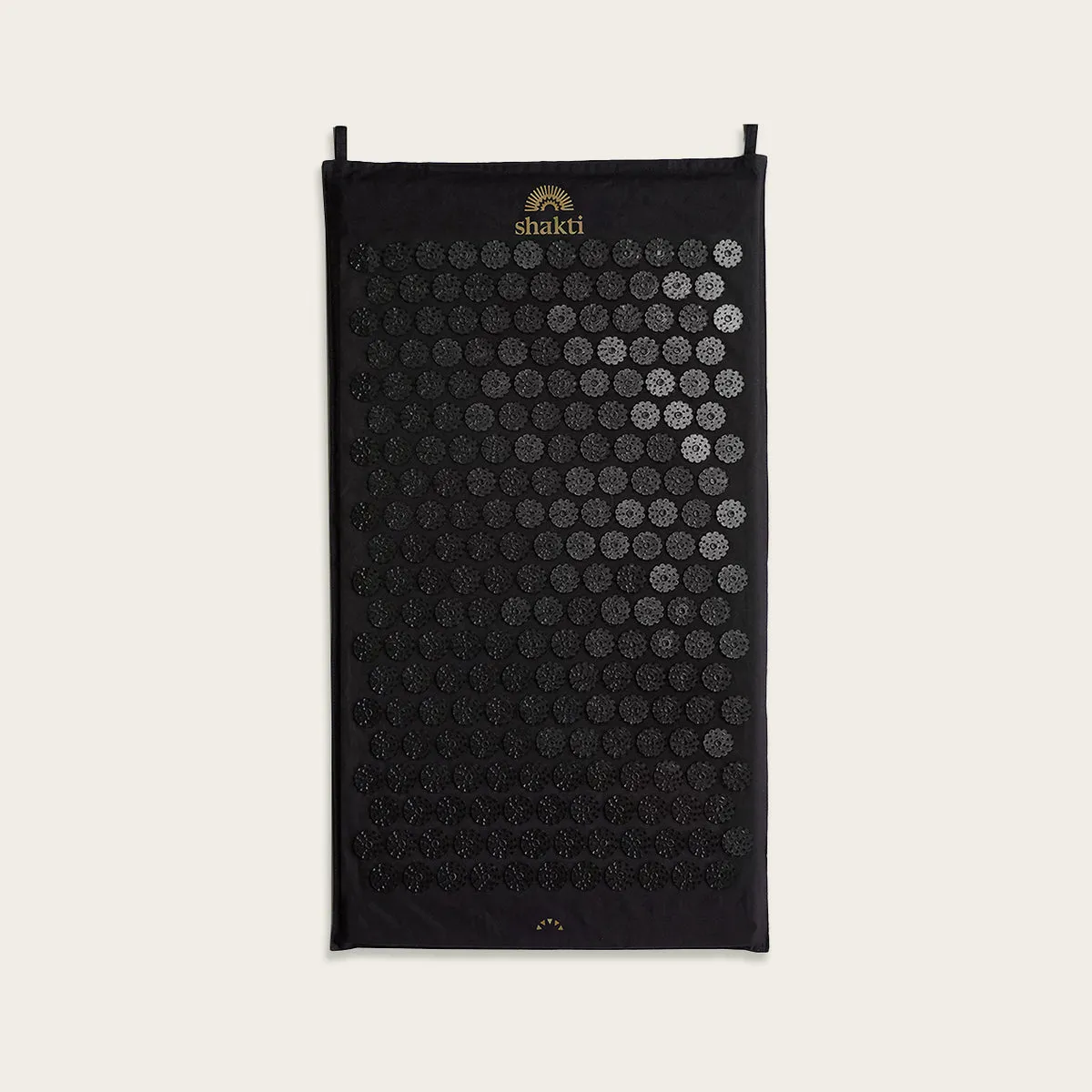
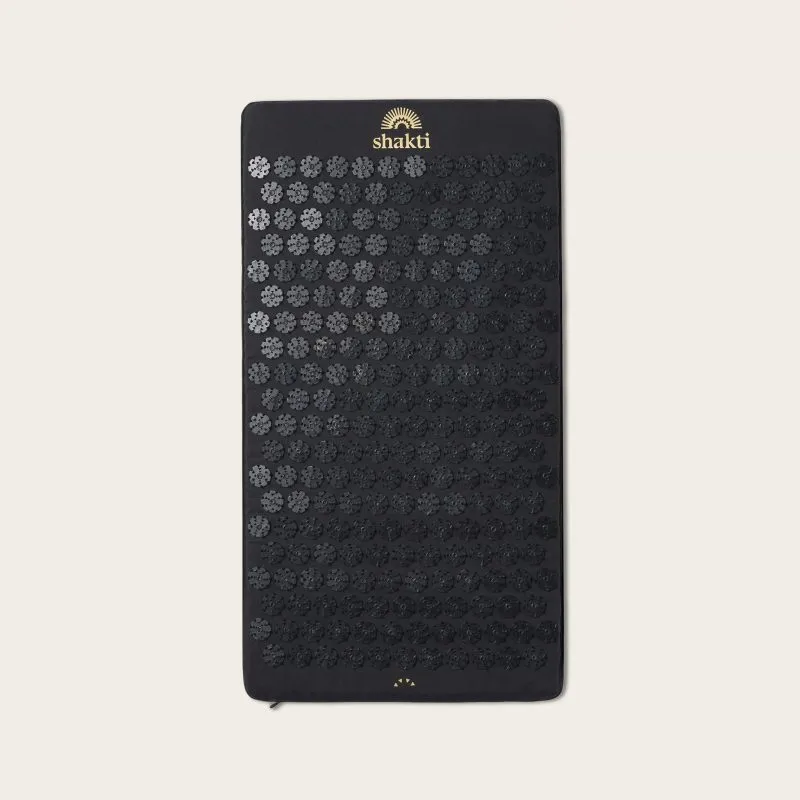
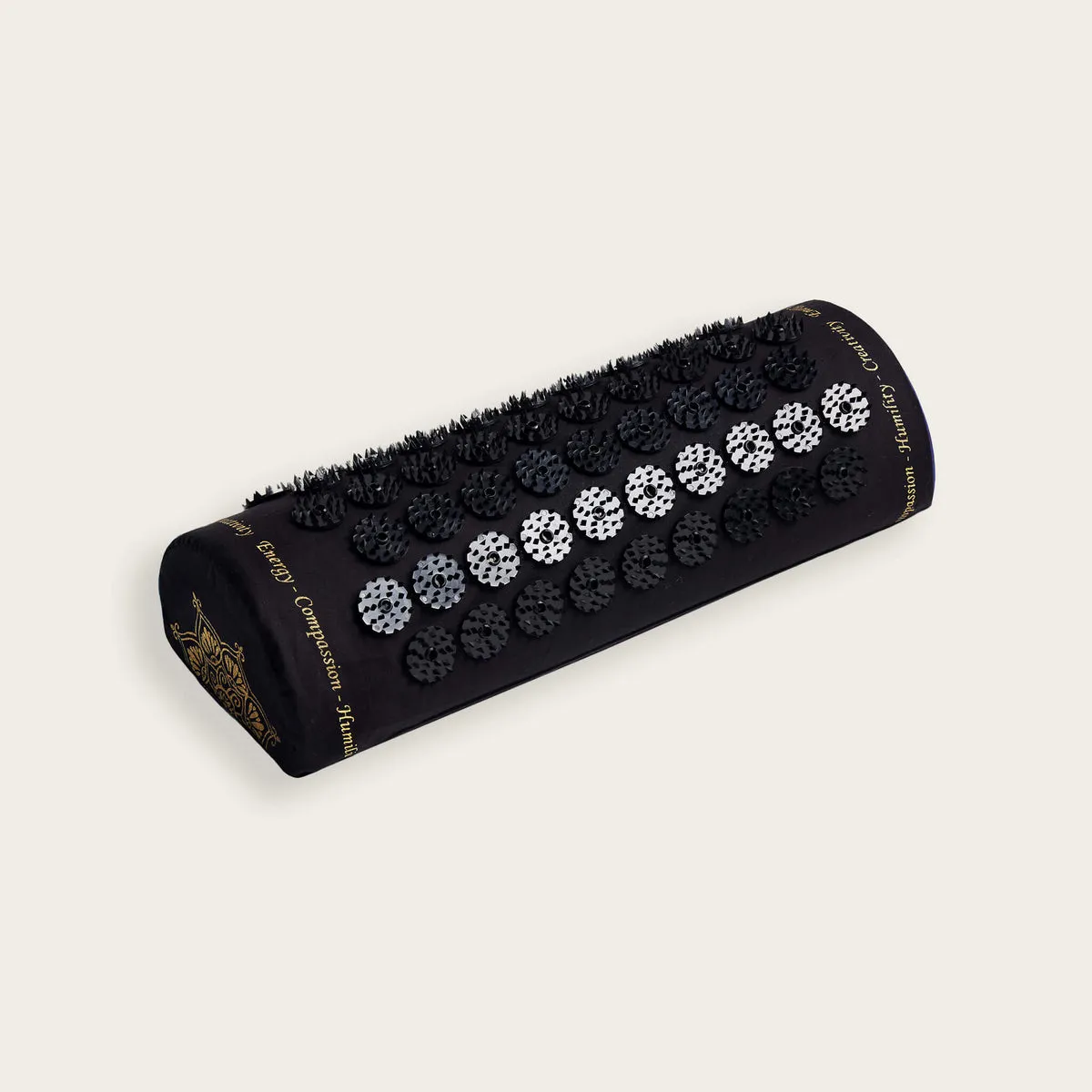
Products mentioned in the guide
More guides
- Best acupressure mat: how to choose the level, size and modelNo acupressure mat suits everyone. How to choose the right level, size and model – and the difference between Shakti Premium and Classic, plainly.
- How long should you lie on an acupressure mat – and how often?We recommend 15–20 minutes on an acupressure mat, with 20 minutes as the benchmark – and there are no frequency limits. Here's how long and how often.
- Acupressure mat benefits: how it feels and who it suitsAn acupressure mat presses thousands of spikes against your skin. Here's what it does, what it's used for, who it suits – and who should avoid it.